

Built around the environment.
Start with a site, accessible sources and a question your teams need to answer.
SECTOR ENVIRONMENTS
These are illustrative visibility journeys, not customer deployments or certified integrations. Each environment requires its own scope and validation.
Data centers
IT, power, cooling, access and facilities dependencies.
Explore the relevant capability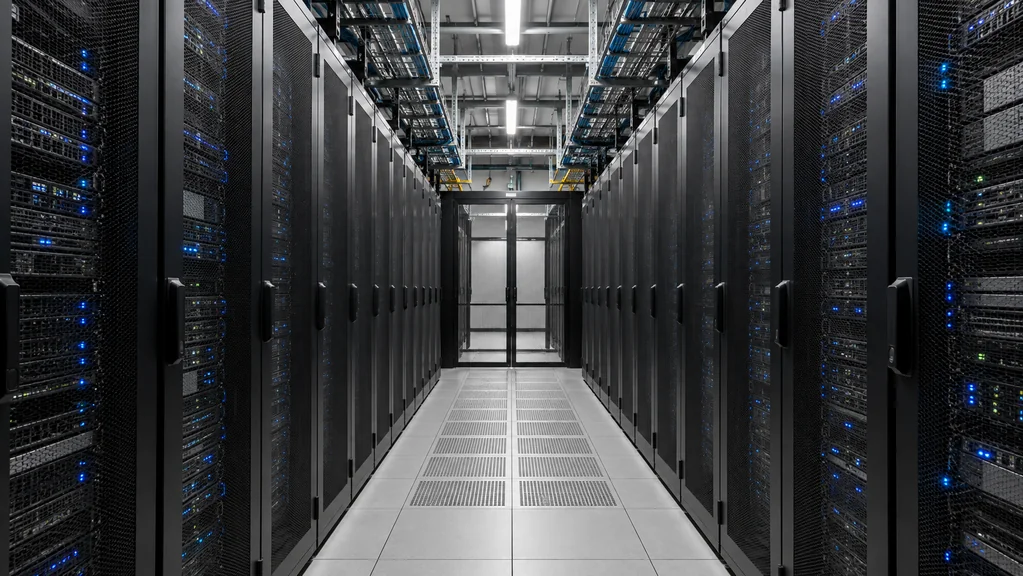
Power and cooling paths, connectivity, room access and physical rack location determine service continuity.
Examine the environment
- ASSETS & SOURCES
- Servers, racks, switches, hypervisors, UPS, generators, cooling, access and environmental sensors. Sources include DCIM, network monitoring, BMS, energy management and technical inventories.
- DEPENDENCIES
- Power and cooling paths, connectivity, room access and physical rack location determine service continuity.
- BLIND SPOTS
- Moved or unlisted equipment, undocumented rack-to-power links, isolated sensors and discrepancies between plans and the site.
- VISIBILITY JOURNEY
- Start with one room. Reconcile rack, network and power records, then examine unmatched assets before qualifying the target systems.
Industry and OT
Industrial control, engineering, networks and production processes.
Explore the relevant capability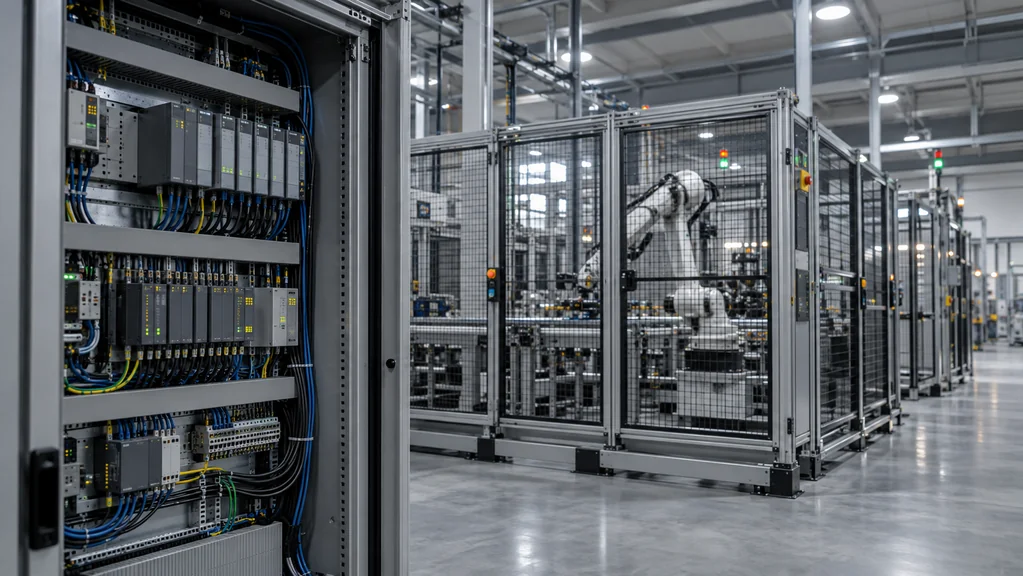
Production cells depend on control logic, recipes, power, networking and access to cabinets.
Examine the environment
- ASSETS & SOURCES
- PLCs, HMIs, engineering stations, sensors, actuators, machines, industrial networks, video and access. Sources include SCADA, MES, maintenance and engineering inventories.
- DEPENDENCIES
- Production cells depend on control logic, recipes, power, networking and access to cabinets.
- BLIND SPOTS
- Legacy equipment, isolated segments, temporary assets and undocumented versions can diverge from engineering drawings.
- VISIBILITY JOURNEY
- Observe an authorized segment, reconcile controllers with engineering records and examine one cell’s dependencies. Validate each hardware combination separately.
Energy and utilities
Distributed sites, telemetry, communications and auxiliary power.
Explore the relevant capability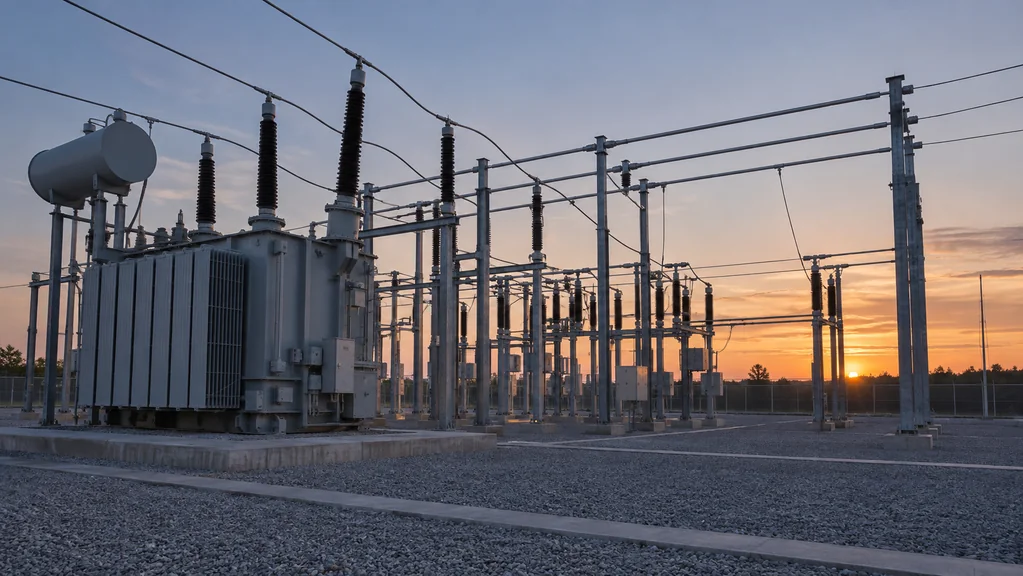
Auxiliary power, telecoms, time synchronization, local control and measurement chains support distributed operations.
Examine the environment
- ASSETS & SOURCES
- Substations, relays, RTUs, meters, control stations, sensors, gateways and access. Sources include EMS, SCADA, GIS, asset management and maintenance.
- DEPENDENCIES
- Auxiliary power, telecoms, time synchronization, local control and measurement chains support distributed operations.
- BLIND SPOTS
- Poorly observed remote sites, intermediate telecom equipment, stale asset records and inaccessible segments.
- VISIBILITY JOURNEY
- Import a site register and add accessible evidence from one pilot substation. Measure coverage without assuming a ready-made integration.
Transportation
Fixed and mobile assets, stations, signaling and operational control.
Explore the relevant capability
Ground-to-vehicle communications, position, power, synchronization, technical-area access and control-center continuity.
Examine the environment
- ASSETS & SOURCES
- Signalling, ticketing, onboard systems, stations, depots, video, telecoms and power. Sources include operations, fleet, maintenance, IT and OT systems.
- DEPENDENCIES
- Ground-to-vehicle communications, position, power, synchronization, technical-area access and control-center continuity.
- BLIND SPOTS
- Intermittently connected mobile assets, supplier subsystems and equipment under maintenance obscure station-network-vehicle relationships.
- VISIBILITY JOURNEY
- Map a depot, add a simulated fleet source and review unconfirmed links. Validate on real systems before deployment.
Smart cities
Multi-operator urban services, IoT platforms and field infrastructure.
Explore the relevant capability
Connectivity, power, location, operating contracts and data gateways connect services run by different organizations.
Examine the environment
- ASSETS & SOURCES
- Lighting, urban sensors, signals, charging points, cameras, networks, IoT platforms and street equipment. Sources include municipal services, GIS and contracted operators.
- DEPENDENCIES
- Connectivity, power, location, operating contracts and data gateways connect services run by different organizations.
- BLIND SPOTS
- Locally added objects, supplier assets, silent sensors, conflicting inventories and areas without reporting.
- VISIBILITY JOURNEY
- Define one pilot district, reconcile GIS records with authorized observations and identify silent zones. Vendor integration remains to be validated.
Smart buildings
BMS, access, video, HVAC, networks and technical spaces.
Explore the relevant capability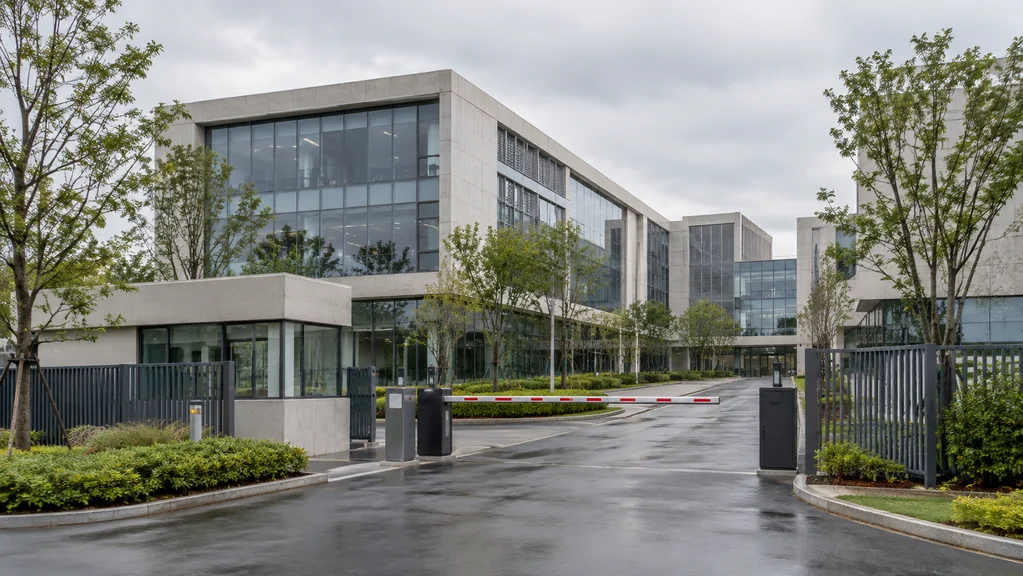
Power, network, zones, schedules, access, command chains and hosted services connect building operations.
Examine the environment
- ASSETS & SOURCES
- BMS, HVAC, controllers, lifts, badge readers, cameras, network equipment and technical rooms. Sources include access, video, ticketing, IT inventory and maintenance.
- DEPENDENCIES
- Power, network, zones, schedules, access, command chains and hosted services connect building operations.
- BLIND SPOTS
- Forgotten controllers, supplier-installed gateways, undocumented technical areas and assets without an identified owner.
- VISIBILITY JOURNEY
- Import a zone plan, reconcile BMS and network inventories and qualify unmatched controllers. Validate integrations for each building.
Critical infrastructure
Essential services, resilient communications and human procedures.
Explore the relevant capability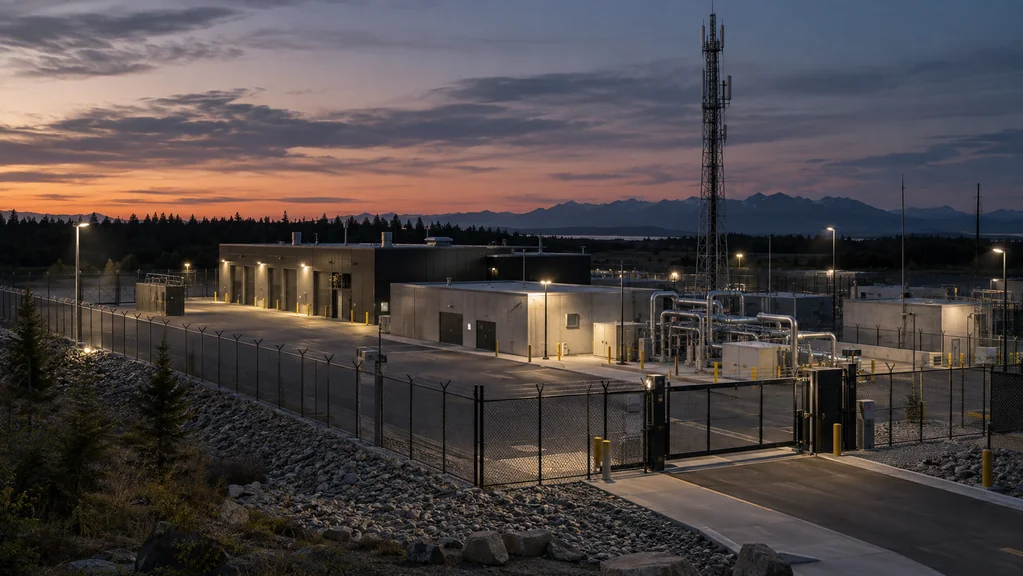
Auxiliary services, communications, access, power, redundancy, human procedures and decision chains sustain essential services.
Examine the environment
- ASSETS & SOURCES
- Control systems, telecoms, power, physical-security equipment, sensors, operator stations and backup infrastructure. Sources include operations, crisis management and maintenance.
- DEPENDENCIES
- Auxiliary services, communications, access, power, redundancy, human procedures and decision chains sustain essential services.
- BLIND SPOTS
- Unmodeled cross-domain dependencies, legacy systems, rarely used backup assets and restricted-access areas.
- VISIBILITY JOURNEY
- Bound one essential service and connect its authorized sources. Examine dependencies lacking recent evidence; visibility is not operational certification.
Water and environment
Remote works, pumping, telemetry and field communications.
Explore the relevant capability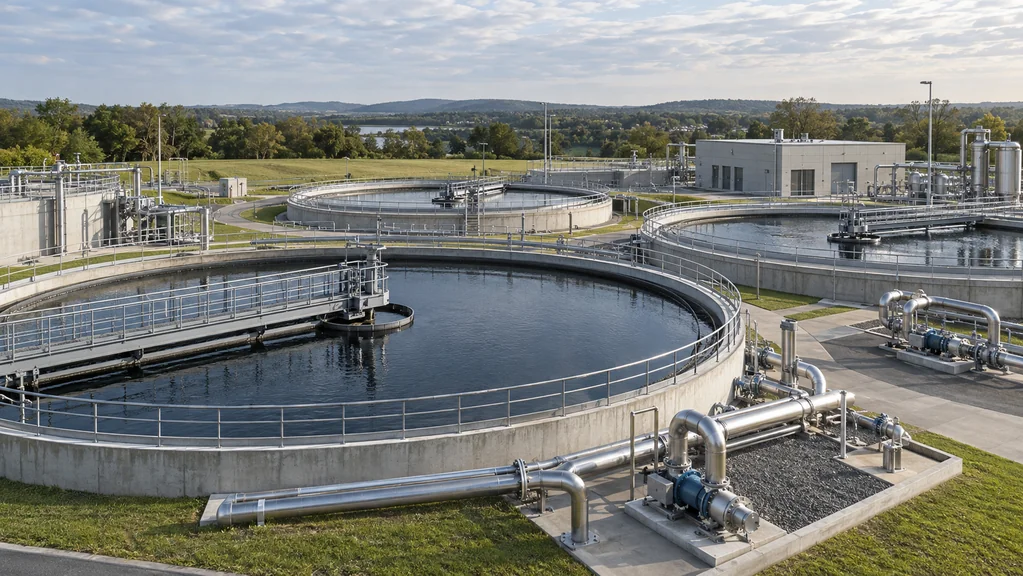
Power, telecoms, levels, quality, pumping chains, site access and environmental conditions affect dispersed operations.
Examine the environment
- ASSETS & SOURCES
- Stations, pumps, valves, reservoirs, analyzers, RTUs, sensors, radios and control servers. Sources include telemetry, GIS, maintenance, laboratories and energy management.
- DEPENDENCIES
- Power, telecoms, levels, quality, pumping chains, site access and environmental conditions affect dispersed operations.
- BLIND SPOTS
- Isolated works, intermittent communications, replaced sensors without updated records and locally installed equipment.
- VISIBILITY JOURNEY
- Select a pumping chain, reconcile GIS and available observations, then examine inaccessible works. Field validation is required.
Healthcare and education
Open estates combining IT, facilities and specialized equipment.
Explore the relevant capability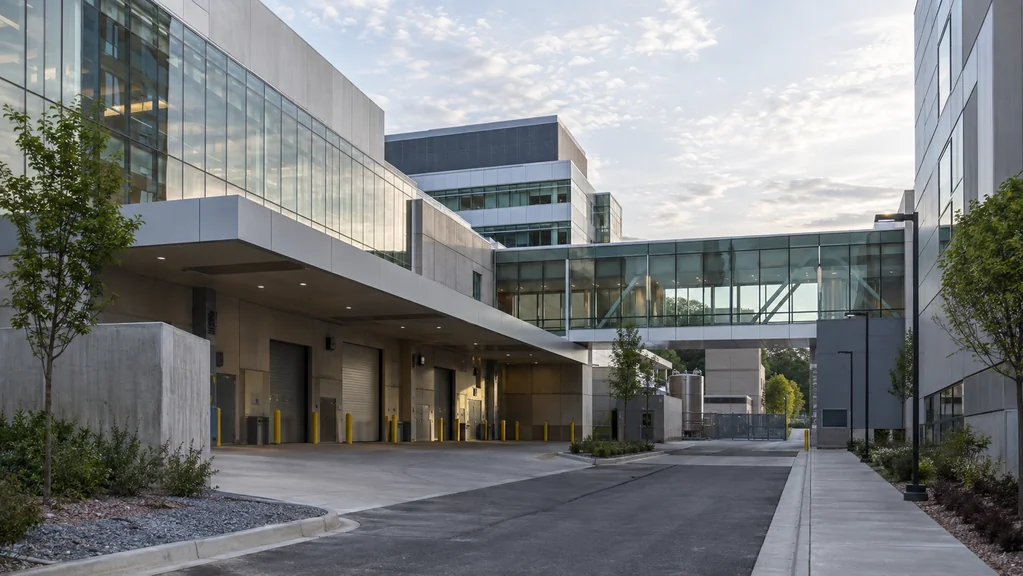
Identity, network, power, location, zone access and shared services support essential equipment across open estates.
Examine the environment
- ASSETS & SOURCES
- Terminals, servers, medical or teaching equipment, access, cameras, BMS, networks and specialist rooms. Sources include IT, maintenance and supplier platforms.
- DEPENDENCIES
- Identity, network, power, location, zone access and shared services support essential equipment across open estates.
- BLIND SPOTS
- Mobile or loaned equipment, laboratory IoT, supplier assets and mismatches between departmental ownership and location.
- VISIBILITY JOURNEY
- Choose one pilot building, reconcile inventory and location, then qualify unidentified observed devices. Validate every specialist integration separately.
SAFENETIS
Start with your real environment.
A SafeNetis demonstration starts with the scope you need to understand, not a generic promise of coverage.