

Procesar localmente.
Mantenga el control.
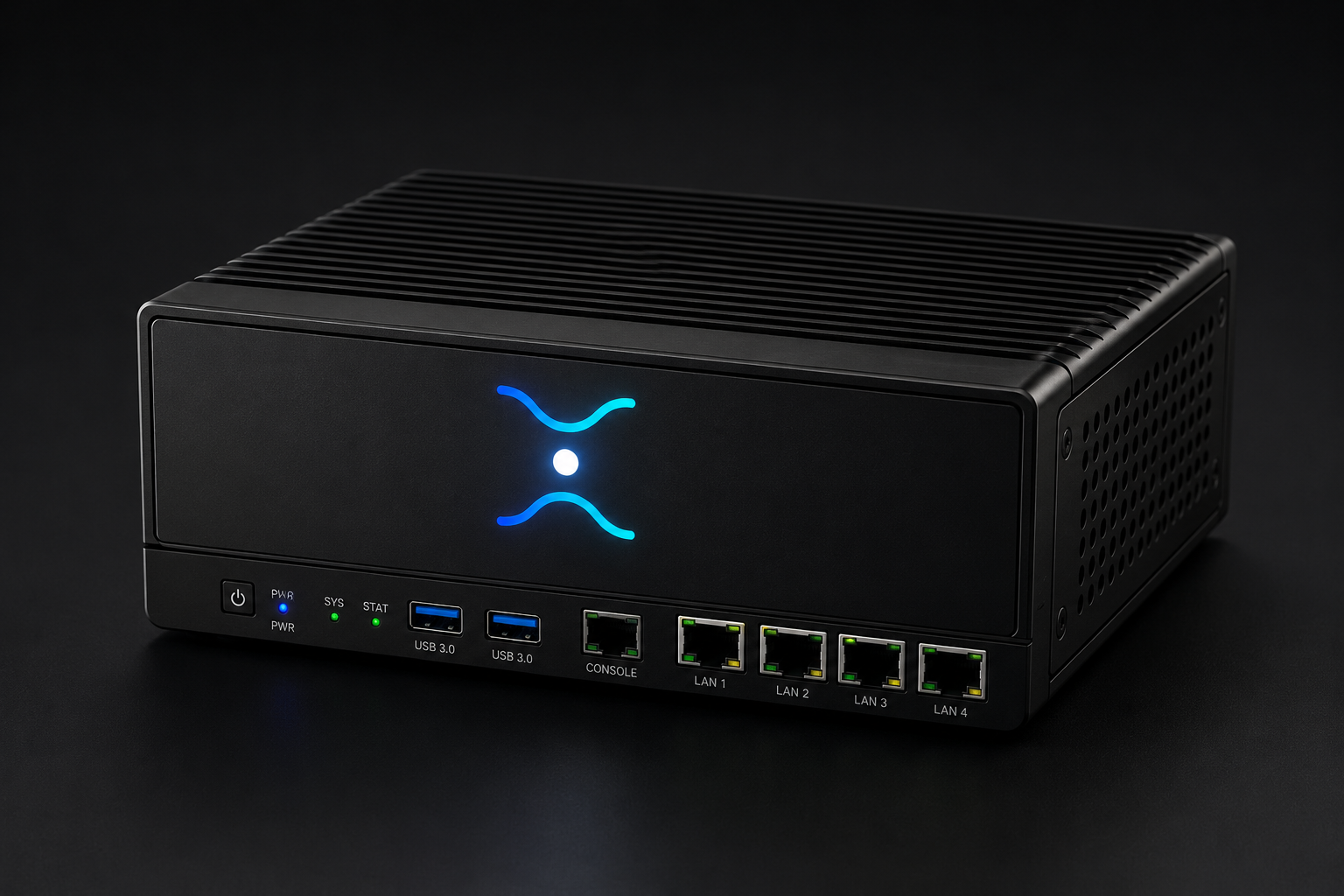
EdgeOS es la capa de recopilación, normalización, segmentación y procesamiento seguro local de SafeNetis. Está diseñado para un funcionamiento resistente sin una dependencia obligatoria de la nube.
01 · EL LÍMITE LOCAL
Orquestación local con flujos de datos explícitos.
FUENTES AUTORIZADAS
Seguridad física
OT / ICS
IT / Red
EdgeOS
Recopilación · normalización · segmentación
SINCRONIZACIÓN CONTROLADA
Sólo la información prevista sale del límite cuando la arquitectura lo requiere.
La ausencia de dependencia obligatoria de la nube no significa que todas las implementaciones prohíban la sincronización externa.
- FUENTES
- Solo los sistemas y conjuntos de datos autorizados ingresan al ámbito local.
- COLECCIÓN
- Los conectores de solo lectura primero recopilan evidencia disponible.
- NORMALIZACIÓN
- EdgeOS traduce los formatos fuente a un modelo local coherente.
- SEGMENTACIÓN
- Los datos y los trabajadores permanecen separados por sitio, zona y política.
- PROCESAMIENTO LOCAL
- La calificación y la preparación se realizan cerca de la fuente.
02 · CONDICIONES DE DESPLIEGUE
El sitio define el perímetro operativo.
Los sitios sensibles pueden estar segmentados, conectados de forma intermitente o sujetos a requisitos estrictos de tratamiento de datos.
Evaluar un conectorResiliencia
La resiliencia depende del tamaño, la arquitectura y los procedimientos operativos locales.
Permisos de las fuentes
EdgeOS no elude los controles de acceso al sistema fuente.
Validación del hardware
Cada combinación de hardware, protocolo y conector requiere una validación independiente.
SAFENETIS